Stage 01
The grove
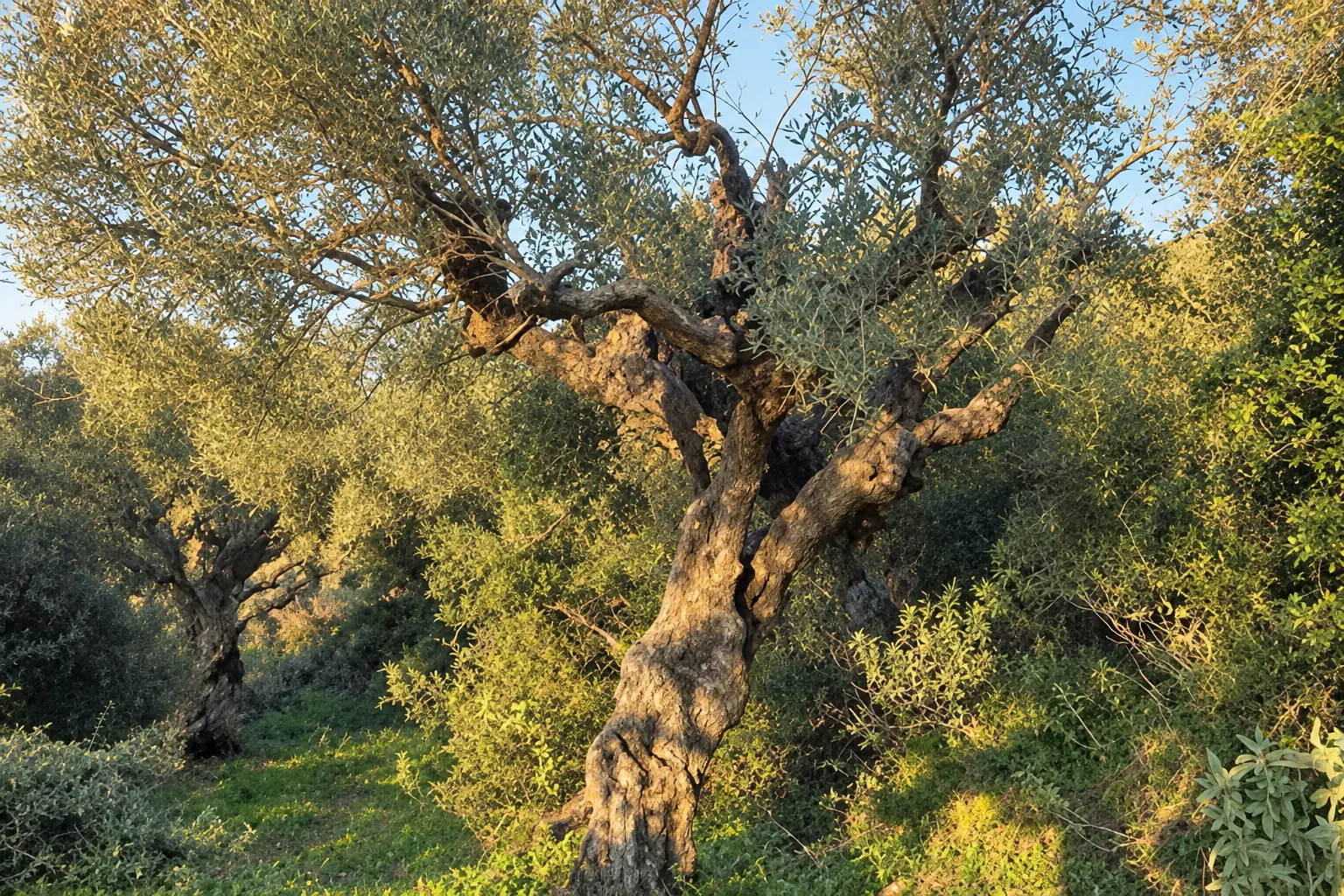
The year begins among the olive trees of Aetos. The condition of the soil, the changing seasons and the health of the trees shape the fruit that will eventually become Citrine.
From grove to tin
Freshness is not created at the end of the process. It is protected through cultivation, timing, careful handling, extraction and storage.
Stage 01
The year begins among the olive trees of Aetos. The condition of the soil, the changing seasons and the health of the trees shape the fruit that will eventually become Citrine.
Stage 02
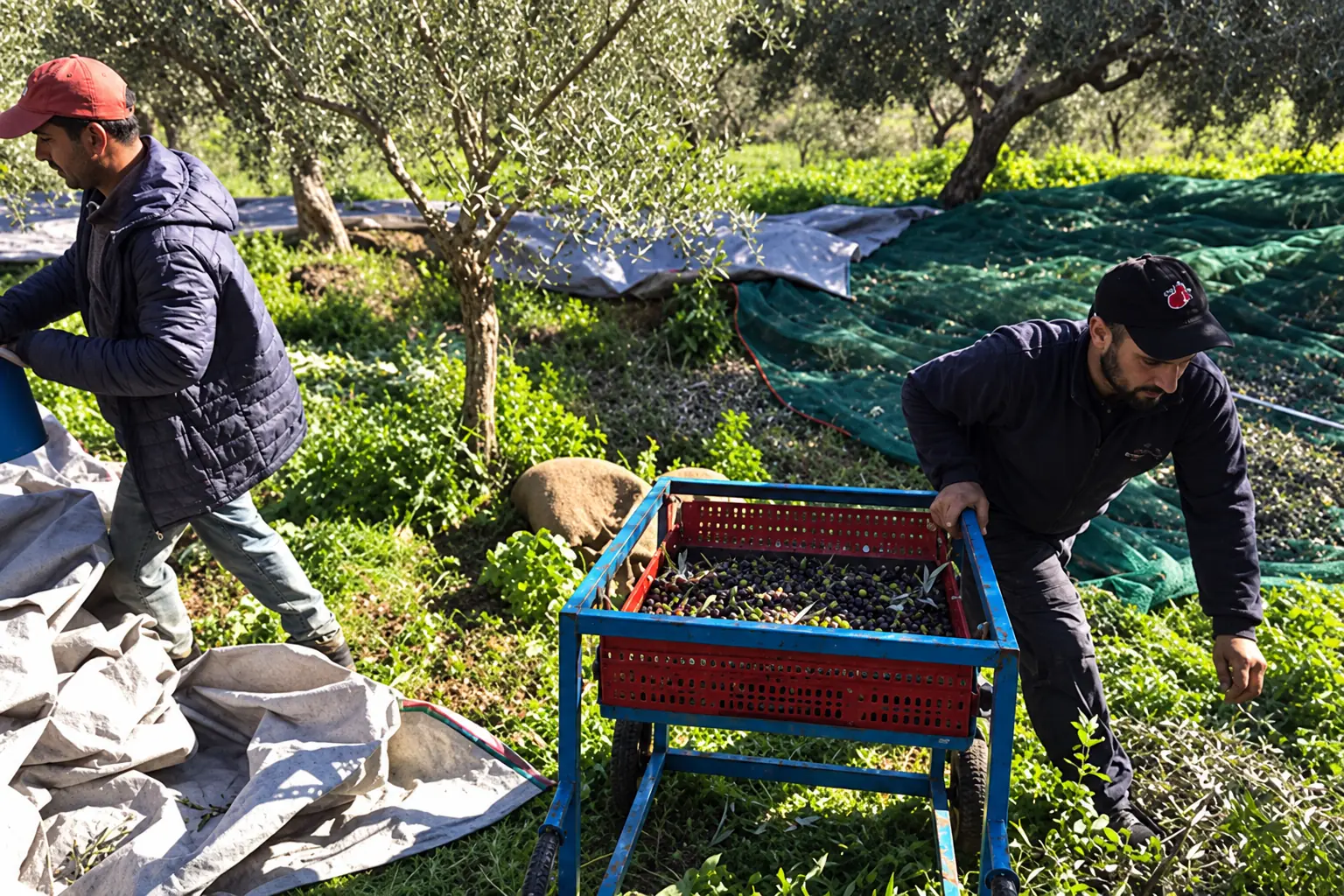
Olives are gathered around the early harvest to preserve their vivid green character. Timing matters because the freshness of the fruit becomes part of the aroma, flavour and finish of the oil.
Stage 03
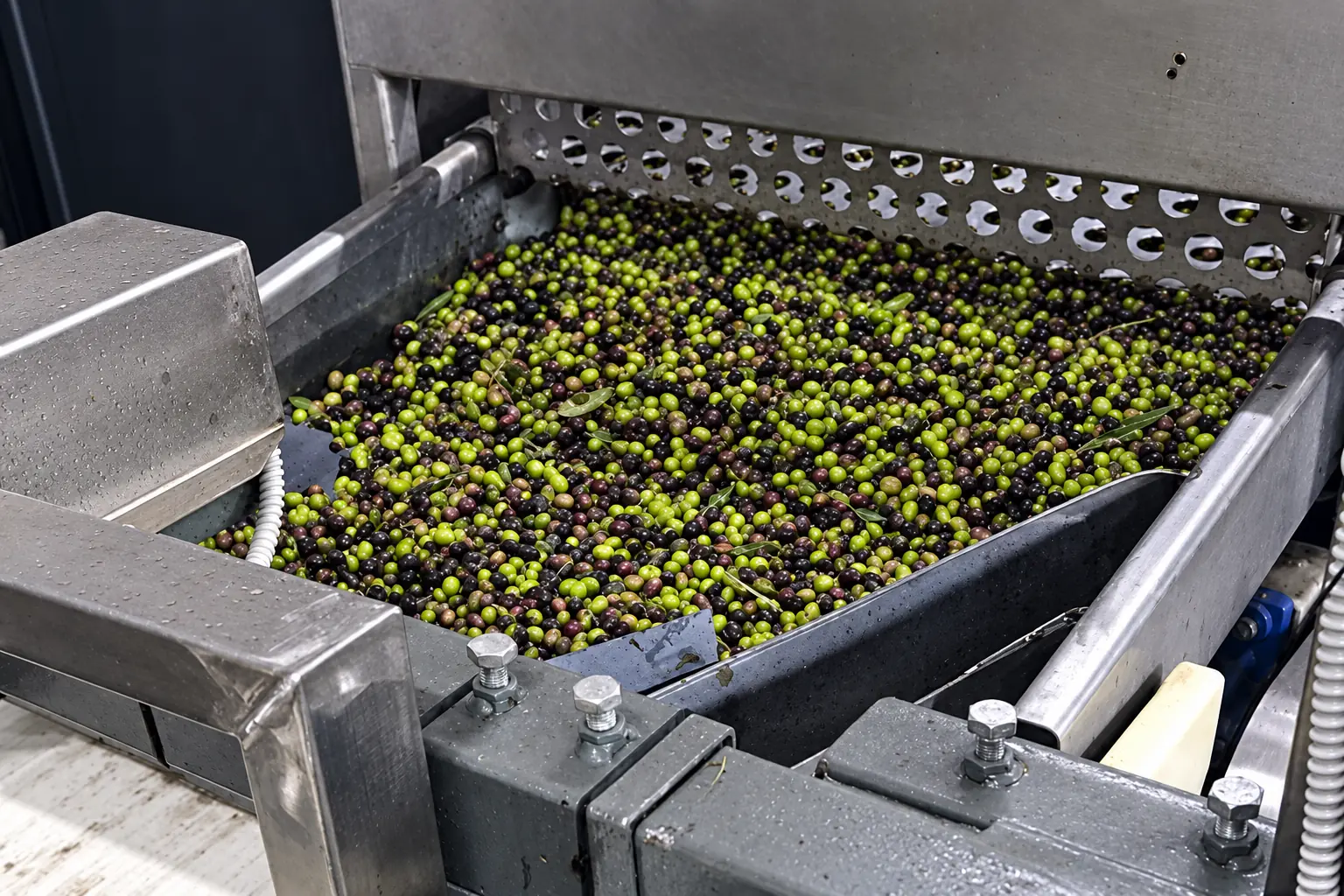
The day’s fruit is moved promptly to the mill, where it is prepared with close attention to cleanliness, speed and gentle handling.
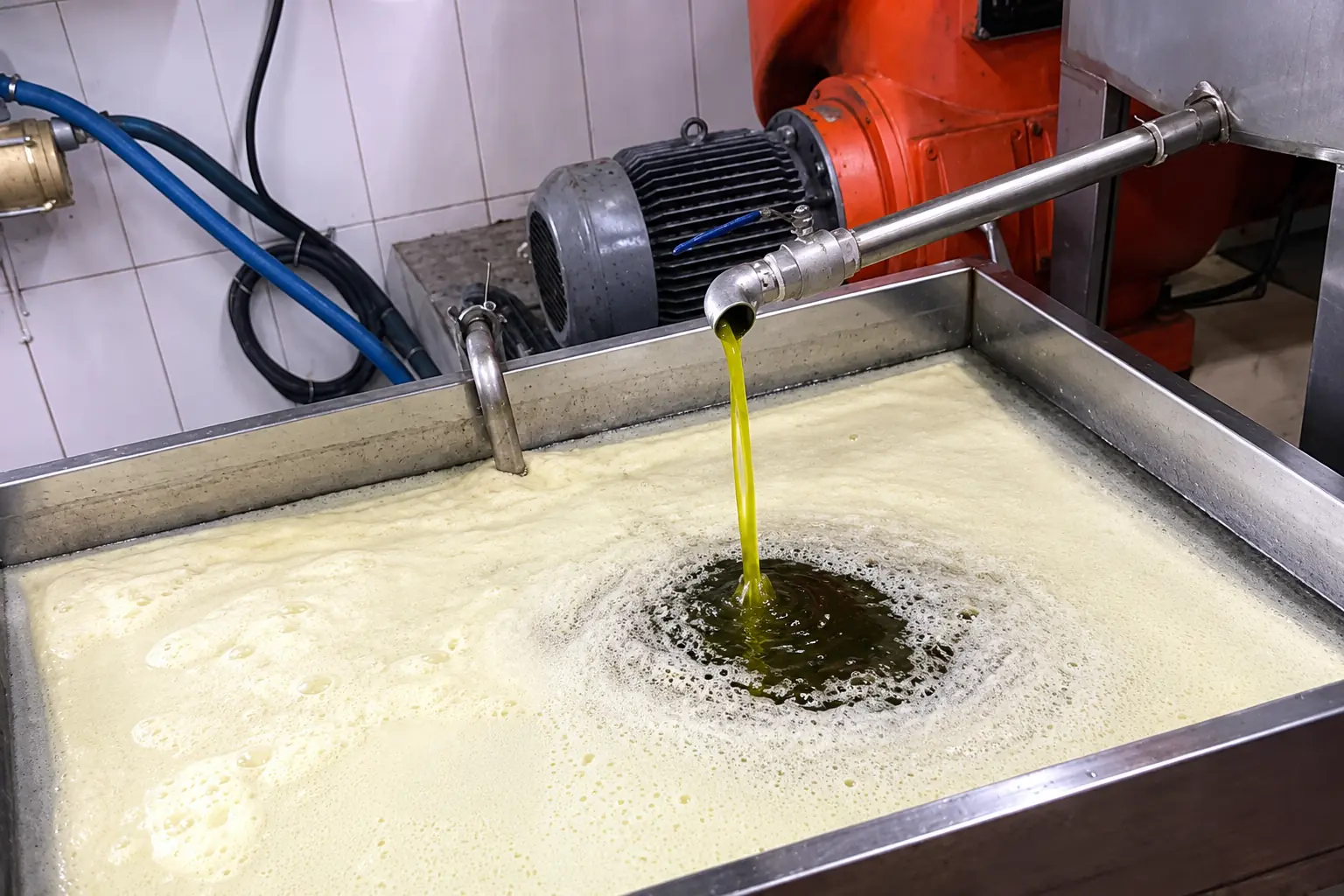
Stage 04
Careful extraction turns fresh olives into oil while protecting the aromas and peppery lift of the early harvest. Professional buyers may request the extraction information available for the current batch.
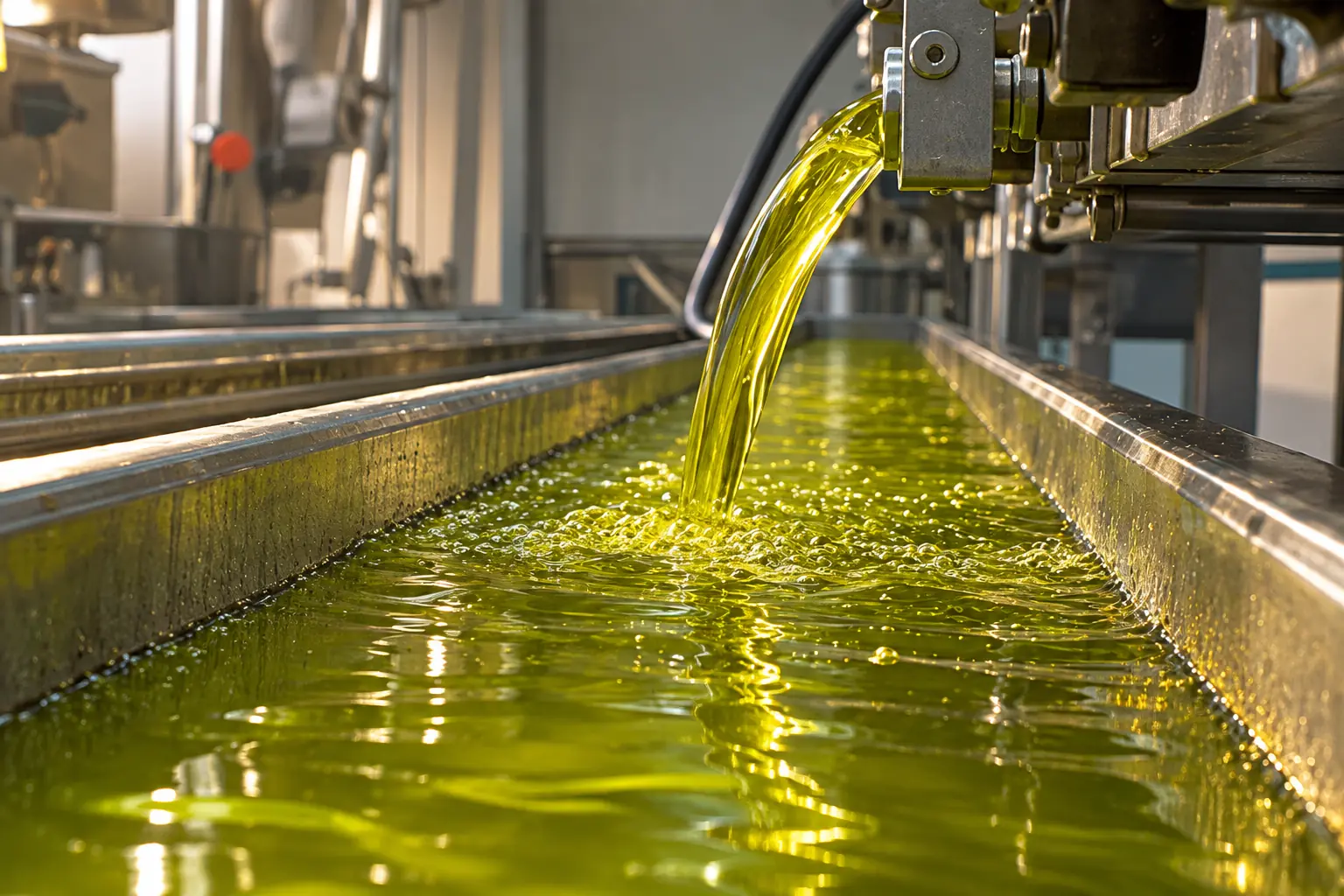
Stage 05
The first vivid stream reveals the energy of the harvest: aromatic, green and unmistakably alive. This is where the work of the grove becomes something that can finally be tasted.
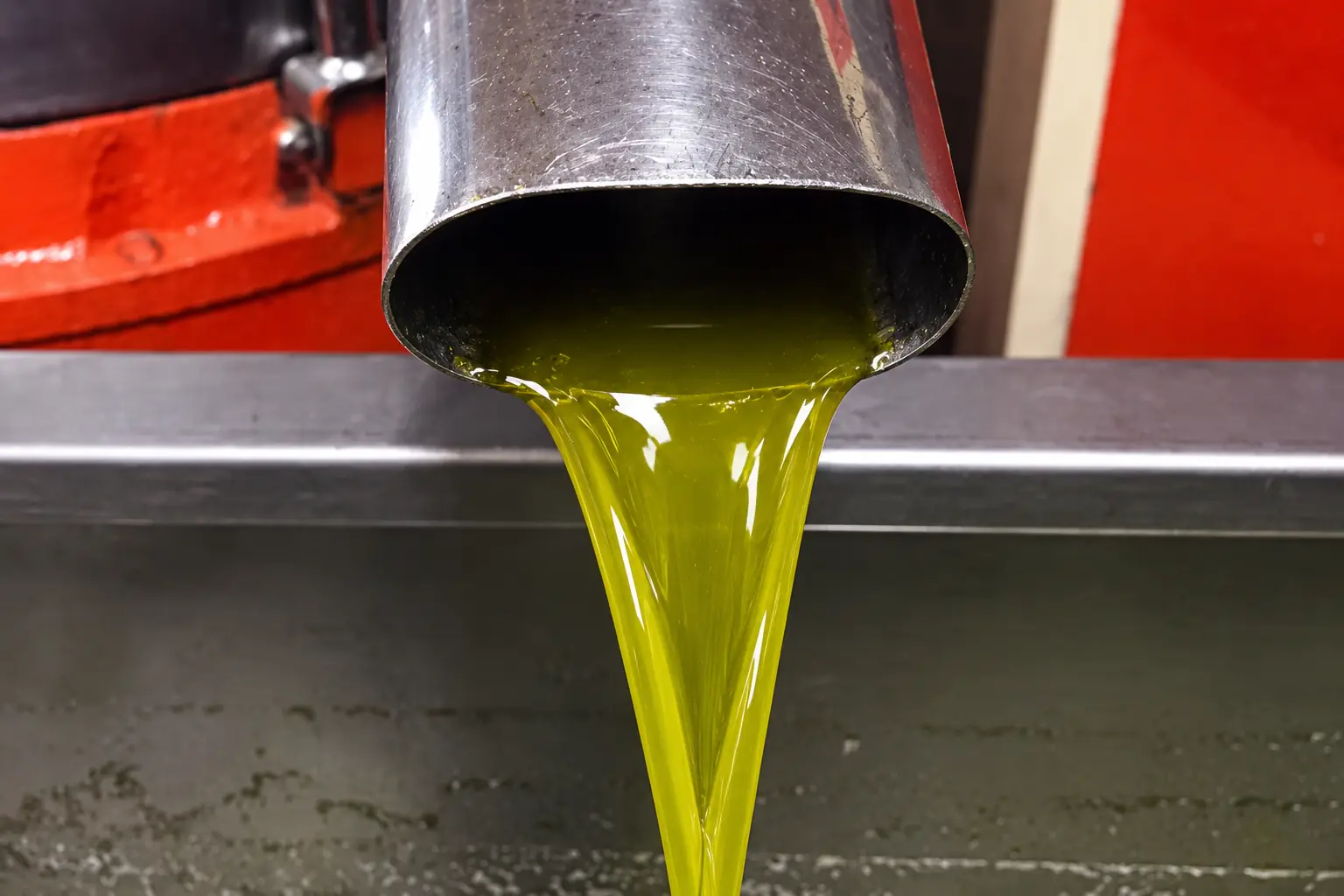
Stage 06
The oil then moves toward quality checks and lightproof tins that help protect it from the light during storage and transport.
Provenance should be supported by proof
Professional buyers should be able to evaluate Citrine with both their palate and the relevant current product information. Ask for the details available for the harvest or batch under consideration.
Taste the result
Request a professional tasting and evaluate Citrine in the kitchen, at the table and against the food it needs to serve.